The Ultimate Guide to Classic Speakeasy Cocktails
From the Bee’s Knees to the Last Word, the drinks born in Prohibition era speakeasies and back rooms are still the best cocktails ever invented. Here’s the history behind each one—and how to make them properly at home.
By Gompers Distillery | Craft Spirits & Cocktail Culture | Redmond, Oregon
Prohibition didn’t kill the cocktail. It perfected it. Here’s what those underground bartenders knew and how you can bring it home tonight.
Between 1920 and 1933, the United States banned the manufacture and sale of alcohol. What followed was one of the most creative eras in cocktail history. Driven underground into dimly lit rooms behind false bookshelves and unmarked doors, bartenders had every reason to get inventive. The spirits were rough, so they learned to balance. The atmosphere was charged, so every drink had to be worth the risk of being there.
The cocktails that survived those thirteen years weren’t just good recipes. They were solutions, elegant formulas worked out by people under pressure, with limited ingredients and unlimited creativity. A century later, they remain the gold standard of the craft.
At Gompers Distillery and Speakeasy in Redmond, Oregon, we take the speakeasy tradition seriously. Not as nostalgia, but as a living philosophy. Our Spirits are distilled to perform in classic cocktails. These recipes are how we’d use them.
Why Speakeasy Cocktails Still Matter
The dominant cocktail style before Prohibition was fairly spirit forward, whiskeys and gins served simply, with water or soda. When the Volstead Act passed in 1920, legitimate distilleries shuttered and bathtub gin flooded the market. The quality of available spirits dropped dramatically, and bartenders responded by building cocktails that could stand up to (or cover for) imperfect base spirits.
Citrus, honey, fresh herbs, and liqueurs became essential tools. The sour template (spirit, citrus, sweetener) became the era’s defining structure. Shaking became standard, where stirring had often prevailed. And because everything was illegal anyway, there was a freedom to experiment that polite society hadn’t permitted before.
The speakeasy didn’t lower the bar. It raised it, because when everything’s at stake, mediocrity isn’t an option.
What we inherited from that era: better balance, better technique, and a lasting reverence for fresh ingredients. The cocktails below are the ones that proved themselves across a century. They were good enough to survive Repeal, two World Wars, the rise of the vodka martini, and every craft cocktail revival since. That’s not luck. That’s architecture.
What You Need Before You Start
You don’t need a professional bar setup to make these drinks well. But a few tools make a real difference.
The essential home bar kit for classic cocktails
- Cocktail shaker — A cobbler shaker works fine; a Boston shaker gives more control once you’re comfortable with it.
- Jigger — Precision matters. A 1 oz / 2 oz double jigger covers almost every recipe here.
- Hawthorne strainer — Essential for shaken drinks. For extra-smooth texture, double-strain through a fine mesh strainer too.
- Citrus juicer — Fresh juice only. Bottled lemon and lime juice will undermine every drink on this list.
- Coupe glasses — The classic vessel for almost all of these cocktails. Chill them in the freezer for 10 minutes before you pour.
- Highball glasses — For the longer drinks like the Rickey and the French 75 riff.
- Bar spoon — For the one stirred drink in this guide and for garnishing.
- Quality ice — Large, clear ice cubes melt slowly and dilute less. Shaking with small, cloudy ice waters your drink down too fast.
A note on simple syrup and honey syrup
Several recipes here call for simple syrup (1:1 sugar to water) or honey syrup (1:1 honey to warm water). Both take about two minutes to make and keep in the refrigerator for two weeks. Don’t skip them in favor of pouring straight sugar into a shaker, it won’t dissolve, and the balance of your drink will suffer.
The Classic Speakeasy Cocktails
What follows are five of the most important cocktails to emerge from the Prohibition era, each with a full recipe. Where Gompers spirits elevate the result, we’ll tell you why.
The Bee’s Knees
Circa 1920s · Gin Sour
Made with Gompers Gin
Ingredients
2 oz Gompers Gin
¾ oz fresh lemon juice
¾ oz honey syrup (1:1 honey & warm water)
Lemon twist, to garnish
Method
Combine all ingredients in a shaker with ice.
Shake vigorously for 12–15 seconds.
Double strain into a chilled coupe.
Express a lemon twist over the surface and rest on the rim.
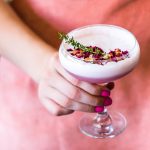
Why it works: The Bee’s Knees was born to soften rough bathtub gin with honey and citrus. With a well made craft gin like Gompers, those same elements amplify the botanical character rather than disguise it, particularly the floral and citrus notes that honey naturally draws out. Use the lightest honey you can find for the cleanest result. We prefer to use a local honey so we are supporting local at the same time as making a great cocktail.
The Last Word
Detroit Athletic Club, 1916 · Equal-Parts Classic
Made with Gompers Gin
Ingredients
¾ oz Gompers gin
¾ oz green Chartreuse
¾ oz maraschino liqueur
¾ oz fresh lime juice
Brandied cherry, to garnish (optional)
Method
Combine all ingredients in a shaker with ice.
Shake well for 12 seconds.
Strain into a chilled coupe.
Garnish with a brandied or Maraschino cherry.
Why it works: The Last Word is a masterclass in equal parts balance, four strong, distinctive ingredients that somehow achieve harmony. Green Chartreuse brings herbal fire; maraschino adds a floral sweetness; lime provides the acid backbone. The gin has to hold its own against all three. Gompers Gin, at 90 proof with assertive botanicals, has the structure for it. For more intensity, try it with Gompers Navy Strength Gin.
The French 75
New York Bar, Paris, 1915 · Sparkling Sour
Made with Gompers Gin
Ingredients
1½ oz Gompers gin
¾ oz fresh lemon juice
½ oz simple syrup
2 oz dry Champagne
Lemon twist, to garnish
Method
Combine gin, lemon juice, and simple syrup in a shaker with ice.
Shake well and strain into a chilled flute or coupe.
Top gently with Champagne.
Garnish with a long lemon twist.
Why it works: Named for a French 75mm field gun for its alleged kick, this cocktail is elegant deception, it tastes celebratory and light but carries real horsepower underneath. The gin provides the structure; the Champagne lifts everything. Use a dry, high-acid Champagne so the sweetness stays in check. A great cocktail for any occasion that deserves a glass worth raising.
The Southside
Chicago, 1920s · Gin & Mint Sour
Made with Gompers Gin
Ingredients
2 oz gin
¾ oz fresh lime juice
¾ oz simple syrup
6–8 fresh mint leaves
Mint sprig, to garnish
Method
Add mint leaves to shaker. Add the simple syrup and gently press—do not muddle hard.
Add gin and lime juice. Fill with ice.
Shake vigorously for 15 seconds.
Double-strain into a chilled coupe to remove mint fragments.
Slap a mint sprig between your palms before garnishing, it wakes up the aroma.
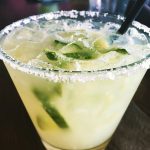
Why it works: Said to be the house cocktail of Al Capone’s Southside Chicago operation, this drink is a gin mojito’s more sophisticated cousin. The key is not over muddling the mint, you want its freshness, not its bitterness. Double-straining is non negotiable for texture. The herbal quality in Gompers Gin plays beautifully with fresh mint, creating a longer, more complex finish than a neutral gin would provide.
The Gin Rickey
Washington D.C., 1883 · Highball
Made with Gompers Gin or Navy Strength
Ingredients
2 oz Gompers gin
¾ oz fresh lime juice
Sparkling water, to top
Lime wheel, to garnish
Method
Fill a highball glass with large ice cubes.
Add Gompers gin and lime juice.
Top with sparkling water and stir once, gently.
Garnish with a lime wheel on the rim.
Why it works: The Gin Rickey is the most honest drink in this lineup. No sweetener, no complexity, just Gompers gin, citrus, and bubbles. That means the gin has nowhere to hide, which is exactly the point. Gompers Gin’s clean botanical profile means this three ingredient drink tastes like it earned its place. Try it with our Navy Strength Gin when you want the botanicals to announce themselves.
The Vodka Collins
Collins Family, 1920s · Long Drink
Made with Gompers Vodka
Ingredients
2 oz Gompers vodka
1 oz fresh lemon juice
¾ oz simple syrup
Sparkling water, to top
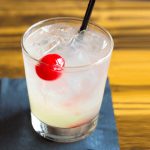
Lemon wheel and cherry, to garnish
Method
Combine Gompers vodka, lemon juice, and simple syrup in a shaker with ice.
Shake well and strain into an ice-filled Collins glass.
Top with sparkling water.
Garnish with a lemon wheel and a cherry on a pick.
Why it works: The Collins family of drinks predates Prohibition but came into its own during it, long, refreshing, and forgiving of imperfect spirits. With Gompers Vodka, distilled eleven times for exceptional purity, you’re not covering anything up. You’re building a perfectly balanced long drink on the cleanest possible foundation. This is the cocktail for anyone who says they don’t drink cocktails.
The Bartender’s Rules for Getting These Right
Classic cocktails are unforgiving of the wrong shortcuts and forgiving of the right ones. Here’s what the recipes won’t tell you but experienced bartenders know:
Tips for making classic cocktails at home
- Juice to order. Lemon and lime juice oxidize quickly. Juice them fresh, immediately before you make the drink. Anything juiced more than a couple of hours ago has already lost the bright acidity that defines these cocktails.
- Shake harder than you think. Most home bartenders under-shake. Twelve to fifteen full seconds of vigorous shaking, not just a gentle jostle, is what chills, dilutes, and aerates the drink correctly.
- Chill your glassware. A warm coupe kills a cold cocktail in thirty seconds. Keep your glasses in the freezer or fill them with ice water while you prep.
- Taste as you go. Citrus varies in acidity by season and even by fruit. A squeeze that tasted perfect last week may need adjustment today. Always taste the finished cocktail before you strain it.
- Use the right ice for shaking. Smaller ice chills faster but also melts faster, adding more dilution. For these recipes, aim for ice cubes roughly one inch on a side, available in most grocery store bags.
- Don’t skip the garnish. A lemon twist expressed over a Bee’s Knees deposits essential oils that genuinely change the aroma and flavor of the drink. It’s not decoration. It’s an ingredient.
- When in doubt, balance toward acid. Most home cocktails are too sweet. If something tastes flat or cloying, add a few drops more citrus before you reach for more spirit.
A Quick Speakeasy Cocktail Glossary
If you’re new to classic cocktail culture, a few terms come up repeatedly. Here’s what they mean:
| Term | What it means |
|---|---|
| Coupe | A wide, shallow stemmed glass. The classic vessel for most shaken, spirit-forward cocktails. Replaced the Martini glass in serious cocktail culture because it prevents warming from hand contact. |
| Double-strain | Straining a shaken cocktail through both a Hawthorne strainer and a fine-mesh strainer simultaneously. Removes ice shards and, in the case of the Southside, herb fragments for a silky, clear drink. |
| Express | To squeeze a citrus twist over the surface of a drink, releasing the essential oils in the peel. The twist may or may not then be placed in the drink, depending on the recipe. |
| Simple syrup | A solution of equal parts sugar and water, dissolved over low heat or by stirring cold. Standard sweetener in classic cocktails. “Rich simple syrup” is 2:1 sugar to water, sweeter and slightly more viscous. |
| Honey syrup | Equal parts honey and warm water, stirred to combine. Used in the Bee’s Knees and other cocktails calling for honey, because undiluted honey is too thick to incorporate properly into a shaken drink. |
| Highball | A category of cocktail built over ice in a tall glass and topped with a non-alcoholic mixer (usually sparkling water or soda). The Gin Rickey and Vodka Collins are both highballs. |
| Proof | A measure of alcohol content, equal to twice the ABV percentage. 90 proof = 45% ABV. Higher-proof spirits deliver more intensity in cocktails; Navy Strength (typically 114 proof) was so named because at that level, gunpowder soaked in it would still ignite, a useful quality control test for 19th-century naval officers. |
When to Reach for Navy Strength
Several of the cocktails above note that you can substitute Gompers Navy Strength Gin at 115 proof. Here’s when that choice makes sense and when it doesn’t.
Use Navy Strength when you want the gin to lead, in a Gin Rickey, a Last Word, or any drink where the botanical character is the point. The higher proof amplifies aroma and flavor, and because the drink dilutes during shaking, it lands at a more typical strength without losing the gin’s presence.
Stick with the standard 90 proof when building delicate balance, the Bee’s Knees, where honey and lemon are equal partners, or the French 75, where the sparkling wine is doing meaningful work. Overpowering those elements defeats the cocktail’s design.
The short version: Navy Strength is for when you want gin to be the loudest voice in the room. Gompers Gin at 90 proof is for when you want harmony.
Make Them at Home or Let Us Make Them for You
The speakeasy cocktail is not a relic. It is a benchmark. These drinks have survived because they are correct, because the people who invented them under duress happened to land on formulas that time has not been able to improve upon. They deserve good spirits, fresh citrus, and a little care.
Gompers Gin, Gompers Navy Strength Gin and Gompers Vodka are available through our online store (coming soon) for home delivery to eligible states, and through select retailers and bars across Oregon and Washington. If you’d rather let us do the work, come find us at the speakeasy in Redmond, Oregon, where these drinks are poured the way they were meant to be.
Herman Gompers never did anything the ordinary way. These cocktails don’t either.